Maintaining Your Diet During Family Feasts
As the festive season approaches, many of us feel a familiar mix of excitement and apprehension. We look forward to reuniting with loved ones, yet we dread the inevitable challenge of navigating tables groaning under the weight of roast potatoes, stuffing, and rich puddings. It’s a common dilemma: how do you honour your health goals without appearing ungrateful or, worse, feeling deprived while everyone else indulges? The good news is that holiday feasting doesn’t have to derail months of progress. With a bit of foresight and some diplomatic manoeuvring, you can enjoy the festivities without undoing your hard work.
Plan your plate before you serve
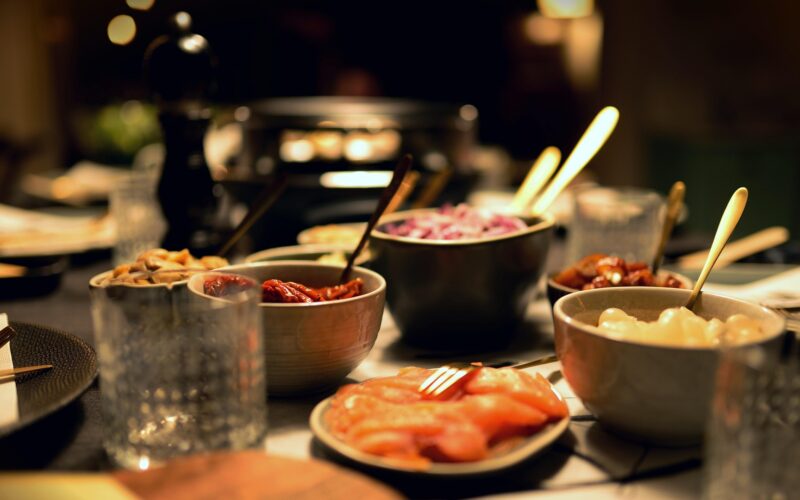
The battle is often won or lost in the buffet line. Before you start piling food onto your plate, take a moment to survey the entire spread. Identify the foods you genuinely love and those you can happily leave behind. Aim to fill half your plate with vegetables or salad first—these provide bulk and nutrients without the heavy calorie load. Then, add a palm-sized portion of protein, such as turkey or lean ham. Leave the remaining space for the richer, starchy sides you enjoy most. By prioritising the nutrient-dense options, you naturally limit the room available for heavier dishes, allowing you to sample the treats without going overboard.
Master the art of polite refusal
Family members can be notoriously persuasive when it comes to pushing seconds (or thirds) of their signature dishes. Declining food can sometimes be misinterpreted as a rejection of their hospitality, but it doesn't have to be. The key is to shift the focus from the food to your feelings of satisfaction. A phrase like, "That was absolutely delicious, but I’m completely stuffed right now," is hard to argue with. If the pressure persists, ask to take some home for later. This validates the cook's effort and gives you control over if—and when—you actually eat it.
Don't arrive on an empty stomach
A common mistake is "saving up" calories for the main event by skipping breakfast or lunch. Unfortunately, arriving at a feast ravenous usually leads to rapid eating and poor decision-making. Instead, eat a balanced, protein-rich breakfast on the morning of the gathering. Having a stable blood sugar level when you arrive means you’ll be making choices based on preference rather than primal hunger. You’ll be able to eat slower, savour the flavours, and recognise your body’s satiety signals much sooner than if you had fasted all day.
Hydrate smartly throughout the day
Alcohol and sugary drinks are often the silent saboteurs of holiday diets, contributing significant calories without filling you up. They also lower inhibitions, making that second slice of cake seem like a much better idea than it actually is. Try to alternate every alcoholic drink with a glass of sparkling water. Not only does this slow down your alcohol consumption, but it also keeps you hydrated, which aids digestion and can help manage appetite. If you’re worried about feeling left out during toasts, keep a glass of sparkling water with a slice of lime or fresh berries in hand—it looks festive and keeps the questions at bay.
Focus on the company, not the cuisine
Ultimately, the holidays are about connection, not just consumption. If you find yourself lingering near the snack table out of boredom or social anxiety, try to physically move the conversation to a different room. Engage in the games, the catch-ups, and the laughter. When your primary source of dopamine is the social interaction rather than the sugar, you’ll find it much easier to step away from the food. By shifting your mindset to value the memories over the menu, you’ll leave the event feeling full in spirit, rather than just uncomfortably full in stomach.